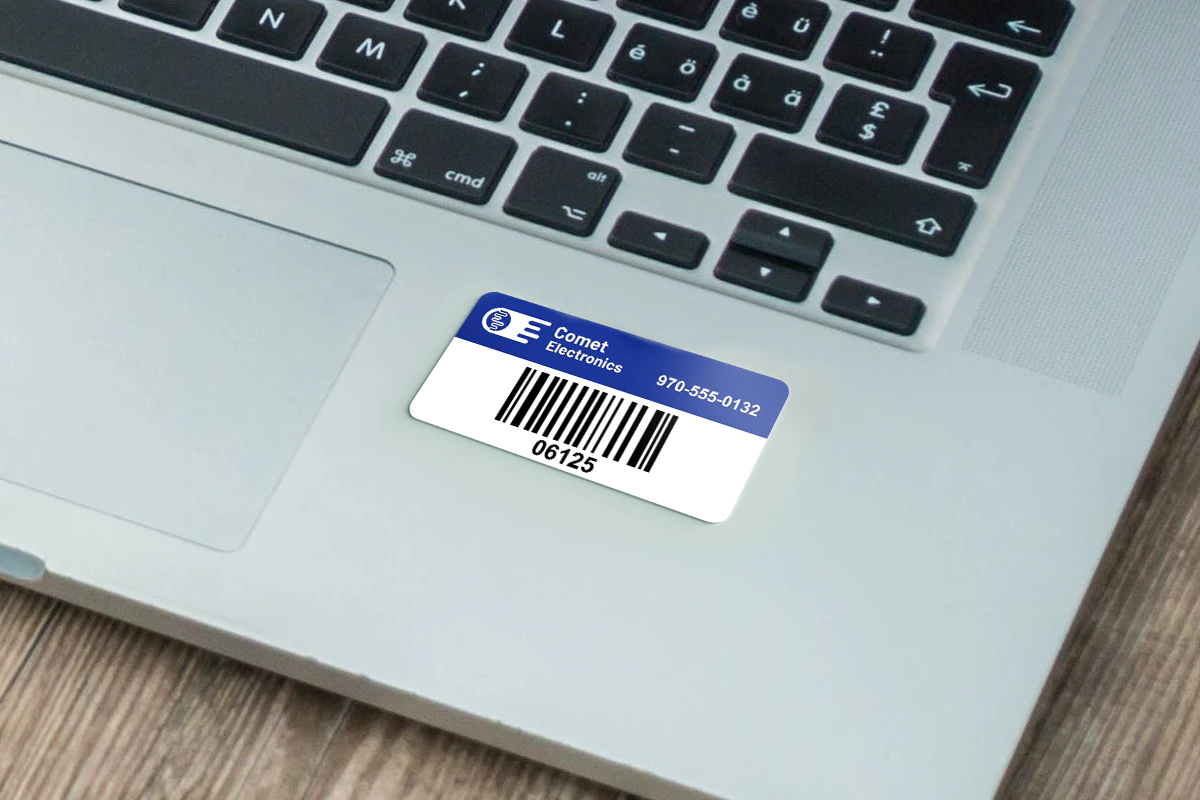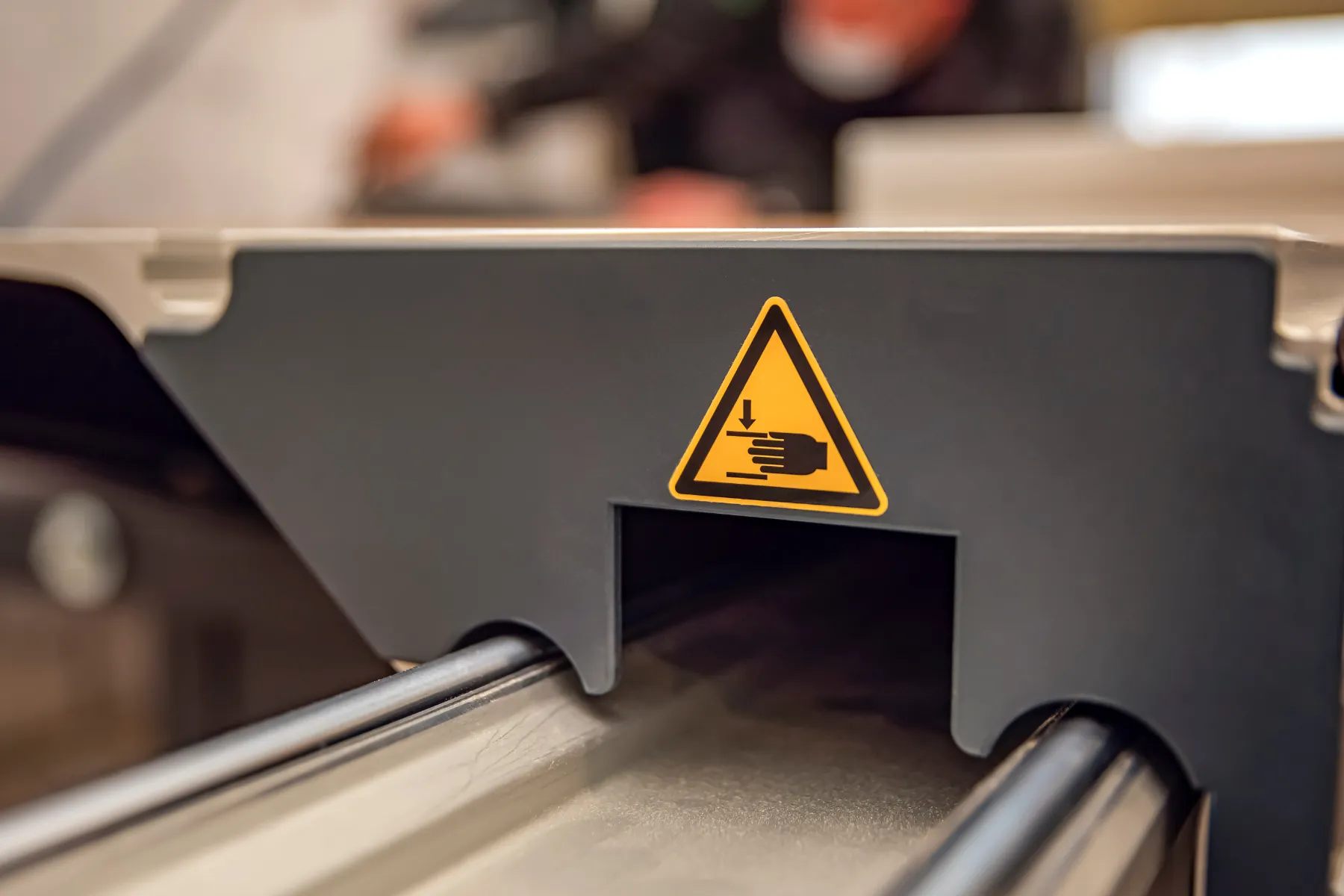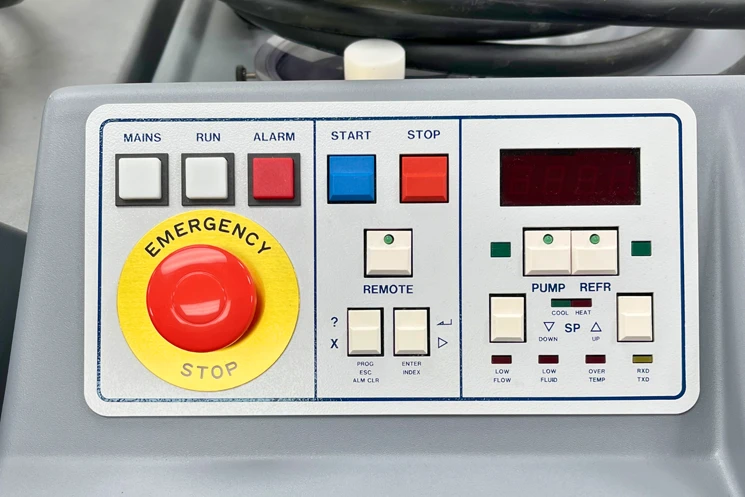







Label your gear with durable, easy-to-read equipment labels so everyone knows exactly what it is, where it belongs, and how to service it, without guessing. These labels make maintenance faster, reduce downtime, and keep your CMMS data perfectly aligned with reality.
Equipment tags and maintenance labels protect critical information against heat, chemicals, abrasion, and constant handling. Their durability keeps data accurate and accessible on the shop floor—so your team can service equipment faster, reduce downtime, and eliminate costly errors.
Make Your Labels Work Harder Than Your Tools
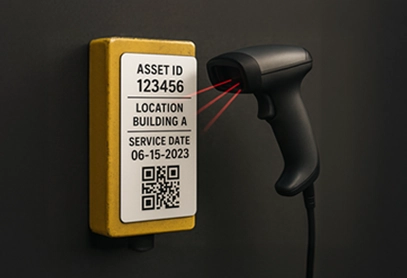
When your equipment identification is clear and consistent, there’s zero time wasted chasing serial numbers or wondering which pump needs attention. A quick scan pulls up the exact record so work starts immediately.
Pro tip: place labels where they can be scanned without moving parts, use high-contrast print for low-light areas, and align label data fields with your CMMS entries to eliminate double-checking.Did you know? According to Plant Engineering, unplanned downtime can cost manufacturers up to $260,000 per hour. Clear labeling systems cut asset identification time by as much as 40%, directly reducing the risk of costly delays.
| Environment | Recommended Material | Key Benefit |
|---|---|---|
| Dusty Areas | Vinyl – Matte White or Block Out White | Reduces glare for easier scanning, provides strong adhesion on moderately irregular surfaces. |
| High-Temperature | Polyester – 2 mil or Polyester Elephant Grip | Withstands up to 302°F, maintains print clarity and adhesion on hot industrial equipment. |
| Chemical Exposure | Polyester – 2 mil, Security Void, or Elephant Grip | Maintains readability and adhesion even after repeated solvent cleaning. |
| Low Surface Energy | Vinyl – Elephant Grip or Polyester Elephant Grip | Aggressive adhesive bonds to powder-coated, textured, or hard-to-stick surfaces. |
| High Visibility Needs | Vinyl – Fluorescent or Reflective 7.5 mil | Ensures visibility in low-light or safety-critical environments; meets OSHA color standards. |
| Curved Surfaces | Vinyl – Convex (4–6 mil) | Conforms to helmets, pipes, or rounded equipment without peeling. |
Build a CMMS-Friendly System
Your equipment labels should work hand in hand with your CMMS:
- Print asset IDs, barcodes, or QR codes directly from your CMMS for seamless tracking.
- Keep label size, font, and placement consistent to speed up scanning and minimize errors.
- Include only the critical data field techs need to make fast, accurate decisions.
Stat check: Facilities that integrate barcoded equipment labels with their CMMS report 30% faster work order completion and a 20% drop in data entry errors, according to industry maintenance surveys.
Field-Tested Tips from Real Maintenance Pros
Over time, experienced technicians develop labeling habits that save hours in the field:
- Place labels at eye level when possible to reduce crouching or reaching during scans.
- Use duplicate labels in two locations on large equipment—one visible from the front, one near the service panel.
- Keep a log of label installations with photos for reference in your CMMS.
- Choose font sizes that remain readable from a safe distance in noisy or hazardous areas.
For more on effective asset labeling strategies, the National Institute of Standards and Technology offers reliable resources that align with OSHA and ANSI guidelines.
Four Steps to a System Everyone Understands
- Pick your data fields – Asset ID, location, service date.
- Match materials to environment – Pick the toughest material for your worst conditions.
- Roll it out everywhere – From production lines to forklifts.
- Audit yearly – Refresh worn or outdated labels.
Quick Recap
A clear, consistent equipment labeling system keeps your team aligned, reduces downtime, and makes CMMS integration seamless. The right material choice means labels survive dust, heat, or chemicals. Placement, readability, and uniform data fields make them even more effective.
- Cuts time spent identifying equipment and pulling records
- Minimizes service errors caused by misidentified assets
- Extends label life in harsh conditions
- Supports quick, accurate CMMS updates
- Improves safety by keeping key info visible at all times
Keep It Simple. Keep It Accurate
If your tech stack review is on the calendar, it’s the right moment to bring your physical equipment labels and equipment identification system in line with your digital records. A consistent approach means technicians find what they need faster, service calls run smoother, and your CMMS stays accurate. For labels built to handle real-world conditions, see equipment tags and maintenance labels.
Equipment Identification Systems FAQs
Asset ID, location, critical specs, and a barcode or QR code that links to the asset’s digital record.
Base it on the environment: laminated polyester for dust, high-temp polyester or aluminum for heat, and chemical-resistant options for solvents.
Yes. Barcodes or QR codes let techs scan a label and open its record instantly.
Check them annually and replace anything damaged, faded, or outdated.
Asset tags track ownership and inventory, while equipment labels often add maintenance or operational info.
Yes—industries like manufacturing and food processing have specific requirements. Review OSHA, ANSI, and your industry’s standards.