







Integrated facilities management (IFM) reduces chaos by turning building maintenance, asset tracking, compliance, and vendor oversight into one unified system, instead of 12 siloed ones.
It replaces overlapping work orders, lost equipment, and reactive maintenance with a clear chain of command, shared visibility, and smarter decisions.

What Is Integrated Facilities Management?
Integrated facilities management combines all facility-related functions, from HVAC maintenance to inventory control, under a single system, vendor, or platform. Instead of juggling five contractors, three spreadsheets, and constant fire drills, IFM centralizes:
- Preventive and reactive maintenance
- Vendor and contractor management
- Asset and equipment tracking
- Inventory and supply chain visibility
- Compliance and safety reporting
If you’re still hopping between systems to check a boiler log, locate a forklift, or validate inspection records, that’s not integrated.
Why Traditional Facility Management Gets Messy Fast

Most operations grow faster than their facility systems. You start with one building, one vendor, one spreadsheet. Then the growth kicks in:
- Multiple sites with inconsistent protocols
- Paper labels that fall off mid-inventory
- Assets checked out but never returned
- Emergency repairs interrupting scheduled work
What you end up with is a Frankenstein setup of siloed data, patchy communication, and zero standardization.
That chaos isn’t just annoying. It drives up costs, causes compliance risks, and slows down every team that depends on the facility running smoothly.
Where Labels Fit into the IFM Puzzle
Labels might seem like a small piece of integrated facility management, but they’re the glue that holds your system together. Without accurate, durable labeling, even the best IFM software falls apart. Here’s how:
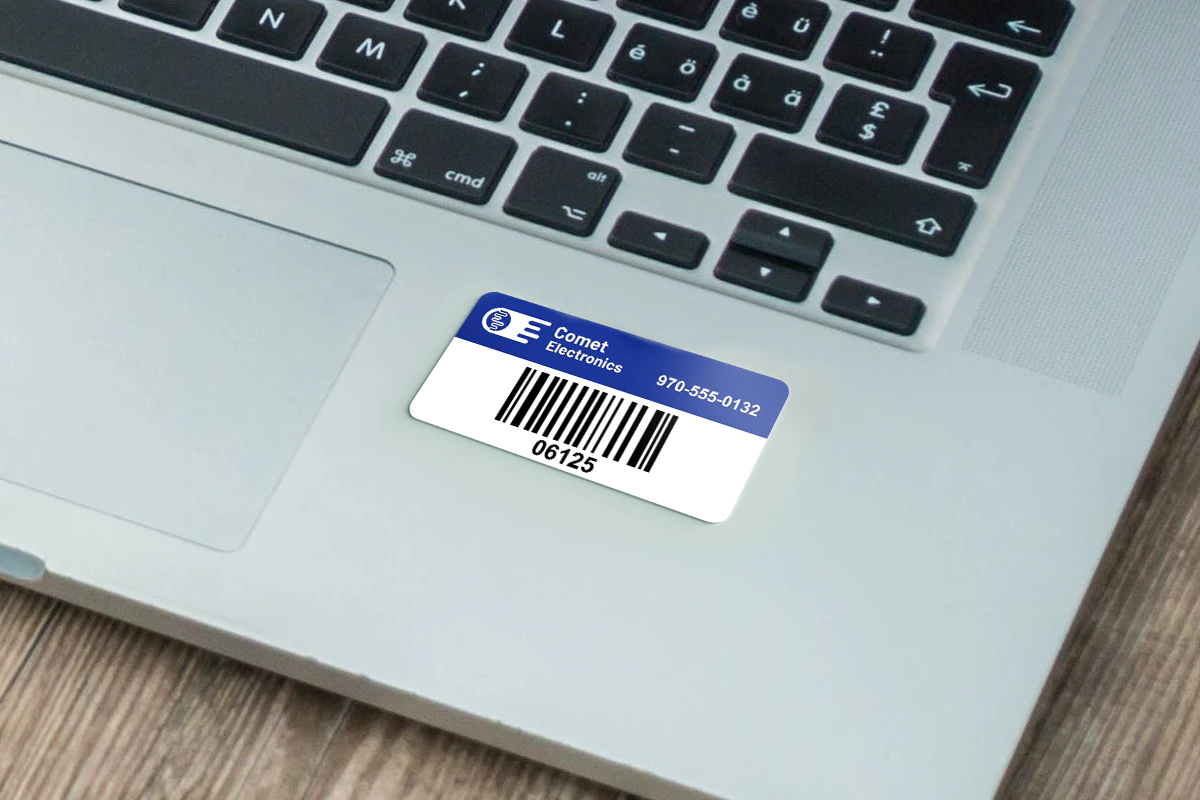
- Asset tags link physical equipment to your digital system (QR codes, barcodes, or serialized IDs).
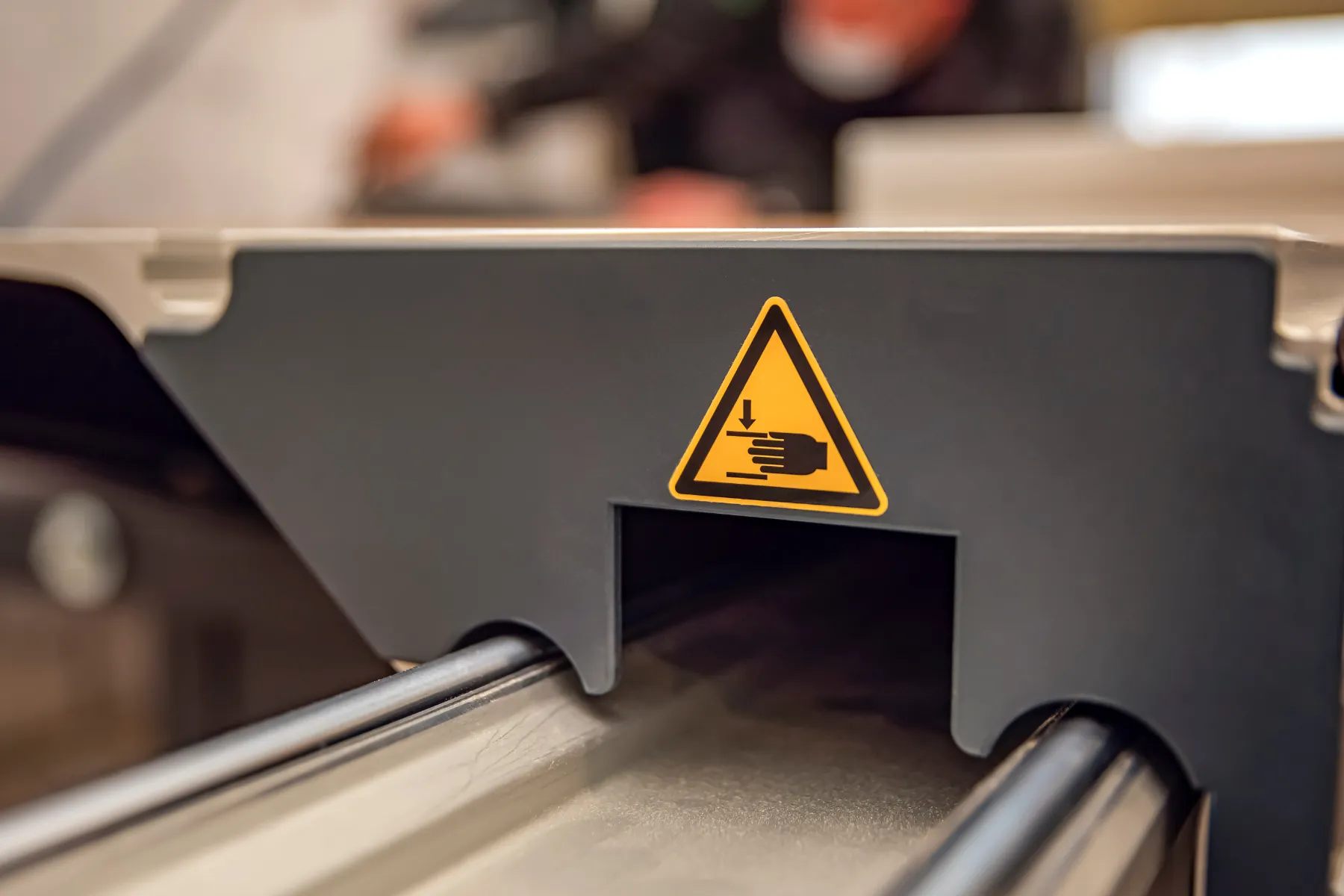
- Equipment labels communicate inspection schedules, safety data, or usage rules across departments.
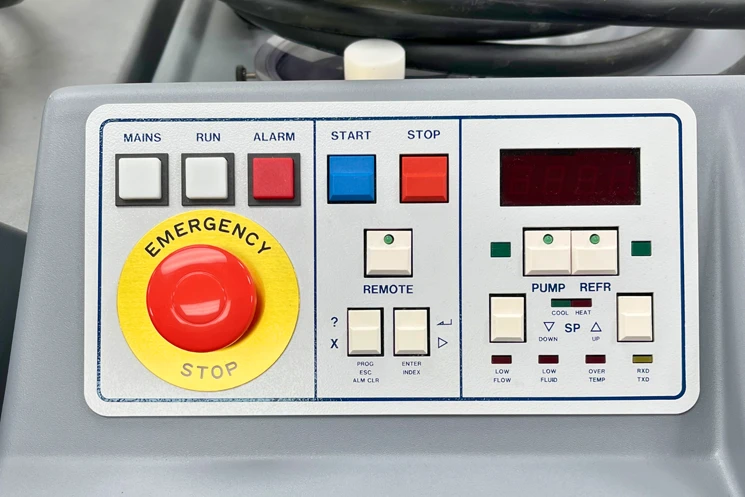
- Color-coded labels make it easy to identify status, category, or location at a glance.
Every technician, vendor, or plant manager should be able to walk up to a machine and instantly get the info they need—without guessing or checking six systems.
What to Look for in an IFM System (and What to Avoid)
The goal isn’t just centralization, it’s clarity. Look for integrated facility management services that:
- Sync across maintenance, inventory, compliance, and procurement
- Support custom labeling and barcode integration
- Provide mobile access for technicians on the floor
- Track asset lifecycle and audit trails
Watch out for platforms that only offer surface-level dashboards but still require manual tracking behind the scenes.
Real Benefits, Not Buzzwords
Here’s what actually happens when IFM is done right:
- Fewer errors: Everyone works off the same data and labels.
- Faster audits: Assets are traceable, tagged, and accounted for.
- Lower costs: Preventive maintenance catches issues before they spiral.
- Less duplication: No more overlapping vendors or repeated work orders.
- Clear accountability: You know who did what, when, and where.
And yes, you can finally retire the wall of sticky notes and shared drives.
Measured Impact: What the Numbers Show
A 2023 study from IFMA (International Facility Management Association) found that organizations implementing IFM systems reported:
- 28% reduction in unplanned maintenance events
- 23% improvement in asset utilization
- 30% faster work order resolution times
One large U.S.-based manufacturing facility reduced downtime across its five plants by over 20% within the first six months of IFM adoption. Their maintenance teams cited real-time asset tracking and standardized labeling as two of the biggest factors in that turnaround.
Integrated Facilities Planning: Think Beyond This Week
Integrated facilities management works best when it’s tied directly to smart asset management. If you don’t have clear asset visibility, your IFM system can only go so far.
Pairing both approaches strengthens preventive maintenance, reduces downtime, and keeps teams aligned. Not sure where to start? Here’s a straight answer on what asset management is and why it matters.
The best IFM setups aren’t just for putting out fires. They’re built for long-term planning:
- Which HVAC units are due for replacement next year?
- What inventory should be reordered automatically every quarter?
- How many forklifts are underused, and could be relocated?
When your labels match your system, and your system matches your workflow, your team can plan ahead, not just react.
Time to Get Control of the Chaos
If your team is still guessing where that compressor went, hunting for service logs, or reordering parts you already have, your system isn’t working for you. Integrated facilities management, paired with smart labeling, helps every department stay aligned and efficient.
Start with durable, scannable equipment labels that keep your system connected in real-world conditions.
Integrated Facilities Management System FAQs
Integrated facility management (IFM) is a system that centralizes all building and asset-related operations—like maintenance, inventory, and compliance—under one platform or provider.
IFM eliminates silos between departments, making it easier to track assets, schedule maintenance, manage vendors, and ensure compliance without duplicated efforts or miscommunication.
Traditional models often rely on separate vendors and disconnected tools. IFM consolidates everything into a single system for better visibility and coordination.
Yes, most IFM systems are built to handle multi-site operations, offering centralized oversight and location-specific customization.
Labels connect physical assets to digital systems. With barcodes, QR codes, or serialized asset tags, teams can access real-time data, reduce search time, and prevent misidentification.
Integrated facilities planning uses data from your IFM system to plan maintenance, equipment upgrades, staffing, and procurement needs over the long term.
Look for systems that support asset tracking, labeling integration, mobile access, and compliance reporting. Avoid platforms that require manual input or don’t connect across departments.