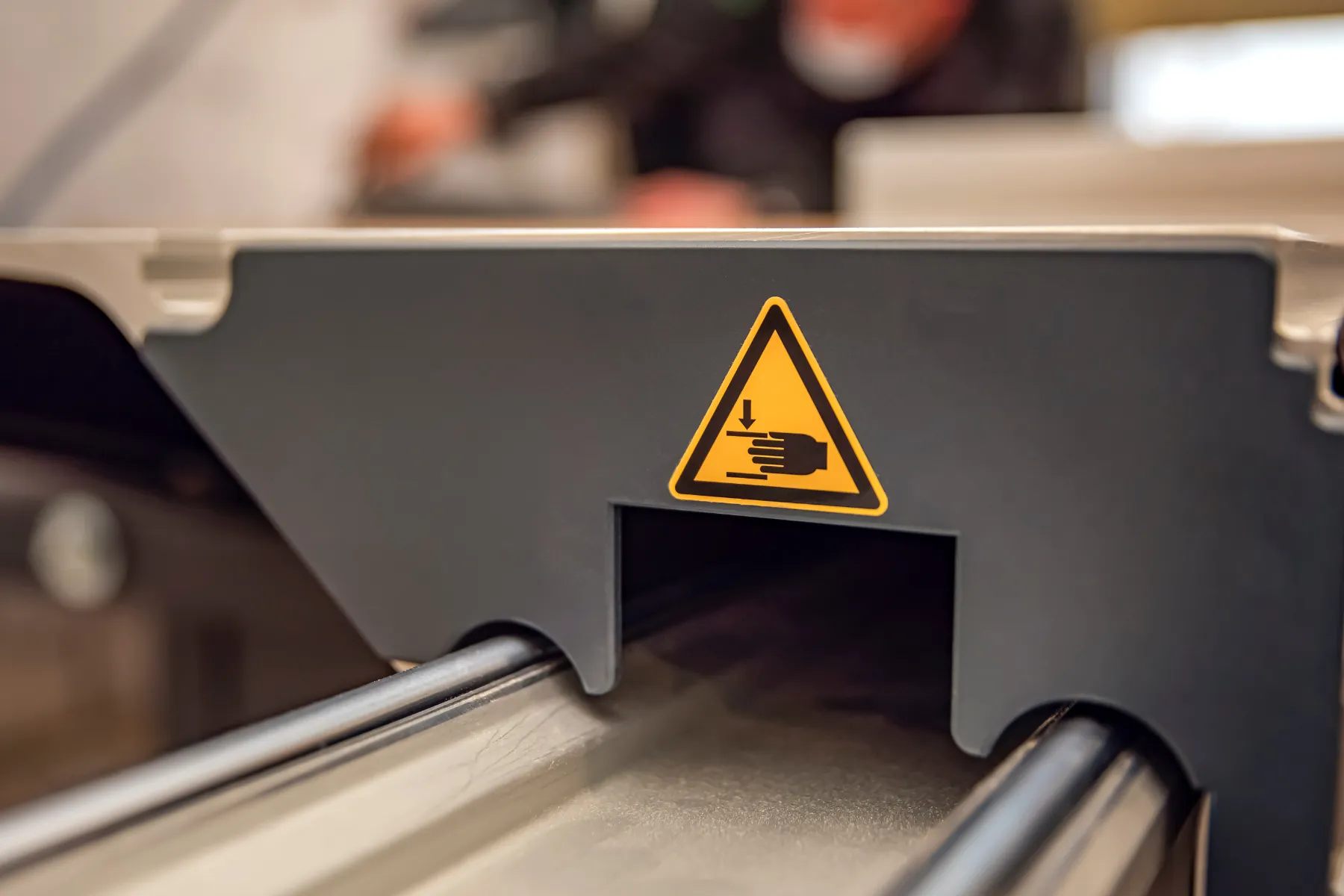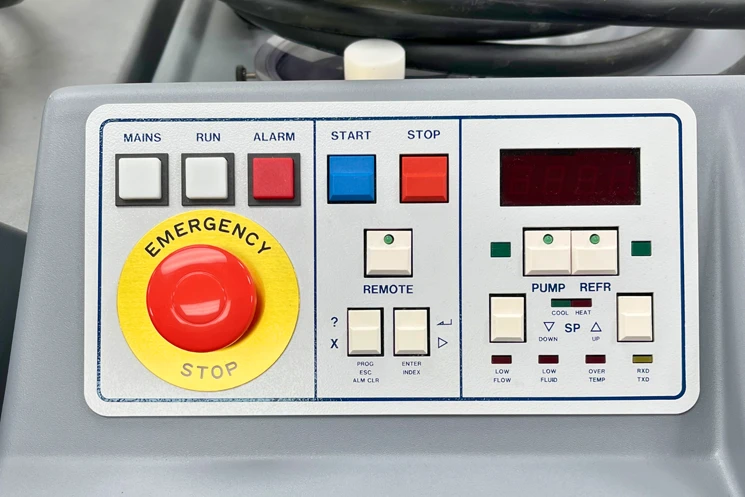







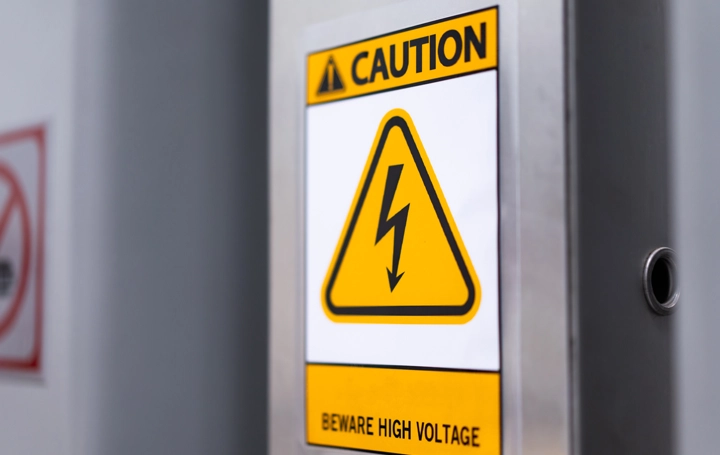
Electrical panel labels help workers identify circuits, voltage, disconnects, hazards, equipment, and safety instructions before they open, service, troubleshoot, or inspect electrical equipment. When labels are clear, durable, and placed where people can see them, they reduce confusion during maintenance, audits, emergency response, and lockout/tagout procedures.
A missing or unreadable label can create unnecessary risk. Someone may pull the wrong breaker, open the wrong enclosure, misread equipment information, or lose time tracing a circuit. Electrical panel labels are a practical way to make critical information easier to find at the moment it matters.
This guide explains common types of electrical panel labels, where they are used, what materials work best, what makes labels easier to read, and which mistakes to avoid when labeling panels, switchgear, load centers, disconnects, transformers, and control equipment.
Compliance Disclaimer
This guide is for general labeling guidance only. Electrical labeling requirements can vary by application, facility, jurisdiction, equipment type, and applicable standards. Always confirm requirements with your safety manager, electrician, authority having jurisdiction, or compliance professional.
Need durable labels for panels, equipment, or safety identification? Shop industrial safety labels built for demanding work environments.
What Are Electrical Panel Labels?
Electrical panel labels are printed labels, tags, overlays, or markers used to identify electrical equipment and communicate important information. They may show circuit identification, voltage, warnings, arc flash information, disconnect instructions, inspection details, equipment numbers, or control functions.
These labels are commonly used on:
- Breaker panels
- Load centers
- Switchgear
- Motor control centers
- Disconnect switches
- Transformers
- Control panels
- Conduit and wire runs
- Industrial machinery
- Electrical enclosures
- Utility equipment
- Facility equipment rooms
The best electrical panel labels are easy to read, placed near the relevant equipment or hazard, and made from materials that can hold up to the environment.
Why Electrical Panel Labels Matter
Electrical work often happens under pressure. Panels may be opened during troubleshooting, shutdowns, repairs, audits, inspections, emergencies, or equipment upgrades. In those moments, workers need fast, accurate information.
Clear labeling can help teams:
- Identify the correct circuit or panel
- Recognize voltage and hazard information
- Confirm equipment or asset numbers
- Support lockout/tagout procedures
- Reduce time spent tracing wires or breakers
- Improve communication between maintenance teams
- Support safer troubleshooting and service work
- Keep information consistent across facilities
Labels do not replace safe work procedures, training, or professional judgment. They support those processes by making important information visible and consistent.
Common Electrical Panel Label Types
Different electrical applications need different label formats. A facility may use several label types across the same electrical room or equipment system.
Circuit Identification Labels
Circuit labels help workers identify what a breaker, switch, or control point serves. These may include room names, equipment names, circuit numbers, panel schedules, or load descriptions.
Good circuit labels should be specific enough to prevent confusion. For example, “Air Compressor 2” is more useful than “Compressor” if the facility has multiple compressors.
Voltage Labels
Voltage labels identify voltage information associated with panels, disconnects, machinery, or electrical equipment. These labels help workers recognize what they are approaching before beginning work.
Voltage labels should be legible from the expected viewing distance and placed where they are not blocked by doors, handles, conduits, or other equipment.
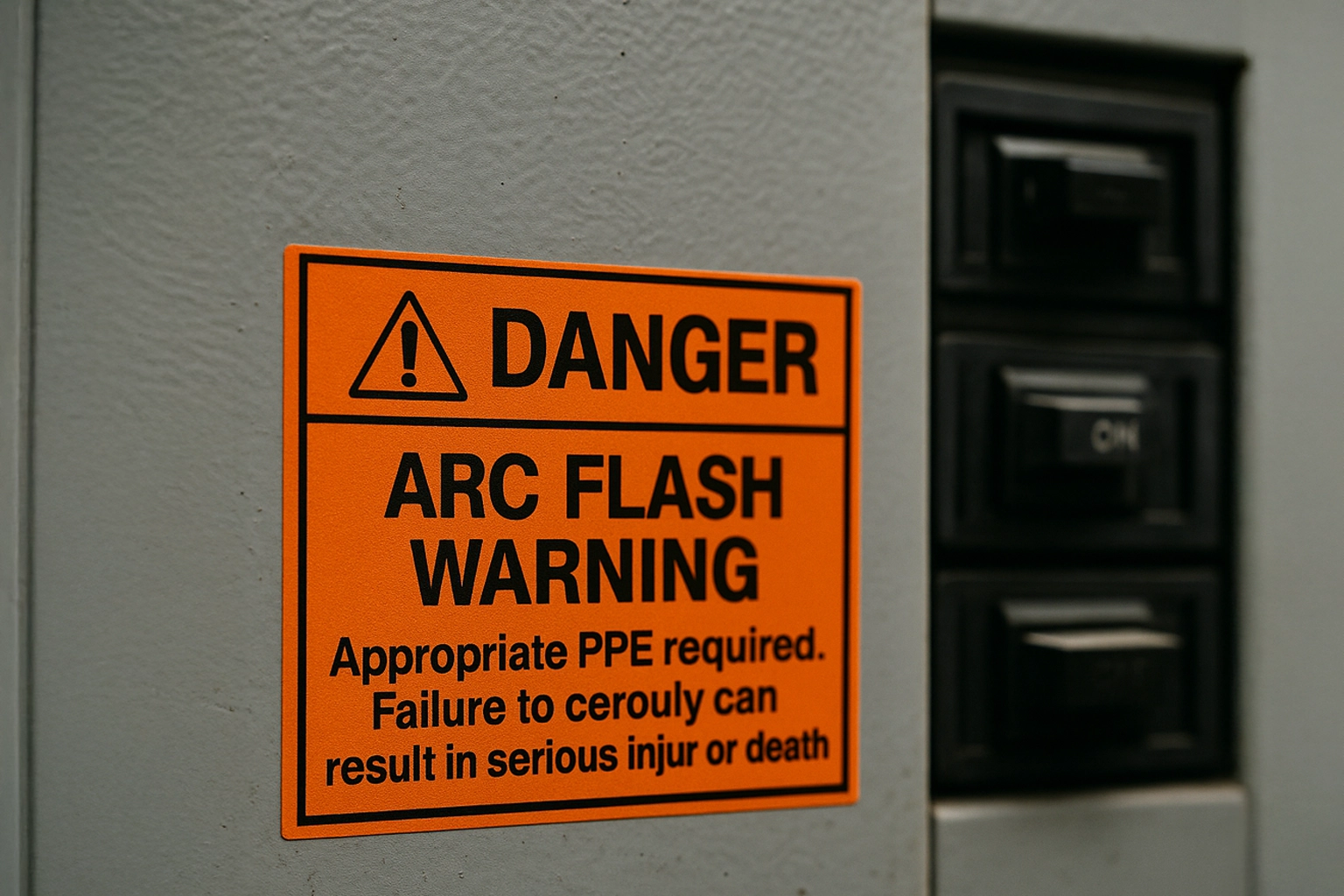
Arc Flash Labels
Arc flash labels communicate arc flash hazard information for applicable equipment. The content required on an arc flash label depends on the facility, equipment, hazard analysis, and applicable standards.
Because arc flash labeling can involve complex safety requirements, facilities should verify label content with a qualified safety or electrical professional.
Disconnect and Shutoff Labels
Disconnect labels identify equipment shutoff points, emergency disconnects, service disconnects, or isolation points. These labels can help maintenance teams quickly find the correct control point.
Lockout/Tagout Support Labels
Lockout/tagout support labels can identify energy sources, lockout points, or procedural reminders. These labels should be used as part of a broader lockout/tagout program, not as a standalone safety solution.
Equipment Identification Labels
Equipment labels identify panels, machines, enclosures, transformers, control cabinets, and related electrical assets. These labels may include asset numbers, QR codes, barcodes, equipment names, department information, or maintenance references.
Control Panel Overlays
Control panel overlays are durable printed faceplates or overlays used on control systems, switchpads, membrane switches, and operator interfaces. Unlike basic safety labels, overlays often include button legends, control labels, icons, instructions, or branded interface graphics.
What Labels Are Commonly Needed on Electrical Panels?
The exact labels needed depend on the facility, equipment, and applicable requirements. In many industrial or commercial settings, electrical panels may need labels that identify the equipment, circuits, hazards, voltage, service information, or related safety instructions.
Common electrical panel label information may include:
- Panel name or ID
- Circuit directory or breaker identification
- Voltage information
- Source or feed information
- Disconnect identification
- Arc flash hazard information when applicable
- Warning or danger messages
- Equipment asset numbers
- Inspection or maintenance references
- QR codes or barcodes tied to records
- Control functions or switch positions
Do not assume one label format works for every panel. A simple breaker directory label, an arc flash warning label, and a durable equipment ID label all serve different purposes.
What Makes an Electrical Panel Label Easier to Read?
A label can be technically present but still fail the user if it is hard to read, poorly placed, or damaged. Good label design should prioritize clarity before decoration.
Strong electrical panel labels usually include:
- Clear signal words when a warning label is required
- High-contrast text and background colors
- Simple wording that can be understood quickly
- Consistent layout across similar equipment
- Font sizes matched to viewing distance
- Durable print that resists fading, smearing, or abrasion
- Placement near the relevant equipment, circuit, or hazard
- Enough spacing so the label does not feel crowded
- Standardized icons or pictograms when appropriate
The goal is not just to label the panel. The goal is to help someone understand the right information quickly and accurately.
Electrical Panel Label Materials and Durability Considerations
Electrical rooms, equipment rooms, industrial facilities, outdoor enclosures, and job sites can be hard on labels. Material selection should be based on the surface, environment, and expected lifespan.
Polyester Labels
Polyester is often a strong choice for durable electrical labels because it can support crisp print, clean readability, and resistance to handling, abrasion, and many industrial conditions. Polyester labels are commonly used for equipment identification, warning labels, rating labels, and panel labels.
Vinyl Labels
Vinyl can work well for general safety labels, conduit labels, temporary applications, curved surfaces, and outdoor identification depending on the specific vinyl construction and adhesive.
Reflective Labels
Reflective labels can improve visibility in low-light areas, outdoor areas, truck yards, service areas, or equipment locations where labels need to stand out in changing light conditions.
Tamper-Evident Labels
Tamper-evident labels may be useful for seals, meter identification, calibration labels, asset tracking, or areas where unauthorized removal should be visible.
Graphic Overlays
Graphic overlays are used when the label functions as part of the control interface. These may include switch legends, button labels, indicator labels, printed instructions, and control panel graphics.
How to Choose the Right Materials for Electrical Panel Labels
Use this quick guide to narrow the material direction before reviewing the detailed material options below. Confirm final material selection based on the surface, environment, adhesive needs, and requirements for the specific application.
| Label Need | Recommended Material Direction | Best Use Cases | Key Considerations |
|---|---|---|---|
| General panel identification | Durable polyester or vinyl | Panel IDs, equipment numbers, circuit information | Prioritize readability and adhesion |
| Warning or safety labels | High-contrast vinyl or polyester | Danger, warning, caution, voltage, hazard messages | Use clear wording and appropriate formatting |
| Harsh industrial equipment | Polyester with strong adhesive or overlaminate | Switchgear, machinery, enclosures, equipment rooms | Consider heat, abrasion, cleaning, and chemicals |
| Powder-coated or textured surfaces | High-tack adhesive options | Powder-coated panels, rough plastics, outdoor housings | Test adhesion before full rollout |
| Outdoor electrical housings | Weather-resistant vinyl or polyester | Outdoor boxes, enclosures, utility equipment | Consider sunlight, moisture, and temperature swings |
| Tamper-evident identification | VOID or destructible materials | Seals, calibration tags, meter tags, asset security | Best for smooth, clean surfaces |
| Control interfaces | Lexan® or durable graphic overlays | Control panels, membrane switches, operator panels | Used when the printed surface is part of the interface |
| Material | Key Properties | Adhesive Type | Outdoor Durability | Best Uses for Electricians |
|---|---|---|---|---|
| Vinyl, Standard 4 mil, Gloss White | Economical, durable, conforms to moderately irregular surfaces | Permanent | 3 to 5 years | General electrical panels, conduit labeling, durable indoor and outdoor identification |
| Vinyl, Removable 4 mil | Removes cleanly within 6 months and conforms to moderately irregular surfaces | Removable | 6 months | Temporary equipment IDs, job-site temporary labels, panel upgrades |
| Vinyl, Premium 2 mil | Thin, high print quality, may stretch, suitable for irregular or corrugated surfaces | Permanent | 5 years | Detailed safety graphics and branding on smooth or corrugated panels |
| Vinyl, Elephant Grip 4 mil, White | Aggressive adhesive for low-surface-energy plastics, performs from minus 40°F to 175°F | Permanent | 2 years | Pelican cases, powder-coated boxes, outdoor electrical housings |
| Vinyl, Fluorescent 4 mil, Orange or Yellow | High-visibility colors, OSHA orange option for safety applications | Permanent | 1 year | Hazard warnings, arc flash labels, caution markers in dim areas |
| Vinyl, Reflective 7.5 mil, White | Highly reflective day and night, strong opacity and durability | Permanent | 7 years | High-voltage areas, outdoor boxes, truck and equipment safety decals |
| Vinyl, Destructible Reflective 5 mil, White | Tamper-resistant and breaks apart when removed, reflective for visibility | Permanent | 7 years | Asset tags, meter seals, breaker lockout seals needing tamper evidence |
| Vinyl, Convex 4 mil or 6 mil, Clear or White | Designed for rounded or convex surfaces, durable and versatile | Permanent | 2 years | Hard hats, conduit bends, curved switchgear housings |
| Convex Vinyl, Super High Gloss, Silver Foil | Mirror-silver finish, conforms to curves, durable and aesthetic | Permanent | 5 years | Premium branding labels on electrical equipment |
| Polyester, 1 mil, Clear | Thin, heat-resistant up to 257°F, high stretch resistance | Permanent | 2 years | Clear overlays, light switches, protective label covers |
| Polyester, 2 mil, White, Clear, or Silver | Heat-resistant up to 302°F, best for flat and smooth surfaces | Permanent | 2 years | Asset tags, rating plates, equipment IDs on flat metal or plastic |
| Polyester, Elephant Grip 2 mil, Gloss White | Aggressive adhesive for rough or low-surface-energy surfaces, performs from minus 40°F to 302°F | Aggressive permanent | 2 years | Powder-coated housings, rough plastics, permanent safety warnings |
| Polyester, Security Void 2 mil, Silver | Tamper-evident and reveals “VOID” on removal, best on smooth and flat surfaces | Permanent | 2 years | Seals on enclosures, calibration tags, lockout/tagout support labels |
| Lexan® Velvet 10 mil | Semi-rigid overlay, subsurface printed for abrasion protection, indoor use | Apply with laminating adhesive | Indoor use only | Control panel overlays, membrane switchpads, graphic overlays |
| Lexan® Matte 10 mil | Semi-rigid overlay, subsurface printed, indoor use, matte finish may show fine scratches | Apply with laminating adhesive | Indoor use only | Switchpad graphics, equipment overlays where glare reduction helps |
| PVC Plastic 10 mil, White | Semi-rigid, suitable for tags and permits, not for horizontal outdoor exposure | None, non-PSA | Approximately 1 year | Door hangers, temporary permits, breaker and service tags |
Where to Place Electrical Panel Labels
Label placement affects whether the label is actually useful. A durable label still fails if it is hidden, blocked, placed too far from the hazard, or applied to a surface that causes it to peel.
Placement best practices include:
- Place labels near the equipment, breaker, disconnect, or hazard they identify
- Keep labels visible when doors are open or closed, depending on the use case
- Avoid placing labels where handles, hinges, conduits, or cables block the message
- Apply labels to clean, dry surfaces
- Avoid oily, dusty, rusty, or heavily textured areas unless using a suitable adhesive
- Keep label placement consistent across similar panels or equipment
- Use larger labels when workers need to read them from farther away
- Avoid placing critical labels where they will be scraped or touched constantly
For facilities with many panels, consistent placement can make inspections, audits, and maintenance easier.
Common Electrical Panel Labeling Mistakes to Avoid
Mistake 1: Using Generic Labels That Do Not Identify the Actual Equipment
A label that says “Electrical Panel” may not be enough in a facility with many panels. Use clear IDs, equipment names, location references, or circuit details where appropriate.
Mistake 2: Using Materials That Peel, Fade, or Smear
Electrical labels may be exposed to heat, cleaning, abrasion, moisture, and handling. If the label fails, the information disappears with it.
Mistake 3: Making Text Too Small
Small text slows recognition and may be unreadable from the expected viewing distance. Use font sizes and layouts that match how the label will be used.
Mistake 4: Blocking the Label with Cables, Conduit, or Hardware
Labels should be placed where workers can see them without moving equipment or guessing what they refer to.
Mistake 5: Treating Labels as a One-Time Project
Facilities change. Panels are updated, circuits are added, equipment is moved, and safety information may need revision. Electrical panel labeling should be reviewed periodically.
Mistake 6: Making Compliance Claims Without Verification
Requirements can vary. When a label is used for code, safety, or hazard communication, confirm the wording, format, placement, and required information with the appropriate qualified professional.
Electrical Panel Labeling Checklist
Use this checklist before printing or ordering labels for electrical panels and equipment.
- Identify each panel, disconnect, enclosure, or equipment location
- Confirm what information needs to appear on each label
- Verify applicable safety, facility, or compliance requirements
- Choose the right label type for the application
- Match the material to the surface and environment
- Confirm adhesive needs for metal, plastic, painted, or powder-coated surfaces
- Use clear, high-contrast text
- Size text for viewing distance
- Place labels near the relevant equipment or hazard
- Avoid blocked or high-abrasion placement areas
- Test adhesion on the actual surface when possible
- Review labels after installation
- Update labels when equipment or circuits change
Planning electrical panel labels for a facility, job site, or equipment system? Maverick Label can help produce durable labels matched to your application.
How Electrical Panel Labels Support Maintenance and Safety Workflows
Electrical panel labels are most useful when they support the way people actually work. Maintenance teams, electricians, facilities managers, inspectors, and operators all rely on clear identification to move through tasks safely and efficiently.
Labels can support:
- Preventive maintenance
- Troubleshooting
- Equipment shutdowns
- Lockout/tagout procedures
- Circuit tracing
- Emergency response
- Facility audits
- Asset management
- Equipment upgrades
- Contractor handoffs
For example, a serialized equipment label or barcode can connect a panel to maintenance records. A voltage label can help a worker recognize the equipment type before beginning work. A control panel overlay can make operator functions easier to identify. A durable warning label can keep hazard information visible even in harsh environments.
The best labeling systems are intentional. Each label should have a purpose, a location, a durable material, and a clear connection to the task it supports.
How Maverick Label Supports Electrical and Industrial Labeling
Maverick Label produces custom labels for industrial, electrical, equipment, and facility identification applications. Depending on the use case, labels can be built for durability, legibility, adhesion, serialization, barcode tracking, warning messages, and control panel usability.
Common applications include:
- Electrical panel labels
- Industrial safety labels
- Equipment labels
- Asset tags
- Barcode labels
- Control panel overlays
- Warning and caution labels
- Tamper-evident labels
- Outdoor equipment labels
- Serialized identification labels
- QR code labels
If you already have label artwork, data, or specifications, Maverick Label can help turn that information into printed labels. If you are still planning the project, start by identifying the label use case, surface, environment, expected lifespan, and any requirements your team must follow.
Need labels for panels, equipment, safety warnings, or control interfaces? Get custom labels built for your application.
Electrical Panel Label FAQs
What are electrical panel labels?
Electrical panel labels identify important information on or near electrical equipment, such as panel names, circuits, voltage, disconnects, hazards, equipment IDs, and safety instructions.
Are electrical panel labels required?
Some electrical labels may be required depending on the equipment, application, facility, jurisdiction, and applicable standards. Requirements can vary, so confirm with a qualified electrician, safety manager, compliance professional, or authority having jurisdiction.
What material is best for electrical panel labels?
Durable polyester and vinyl are commonly used for electrical panel labels. The best material depends on the surface, indoor or outdoor exposure, heat, abrasion, chemicals, cleaning, and adhesive requirements.
What labels are commonly used on electrical panels?
Common labels include panel identification labels, circuit labels, voltage labels, disconnect labels, warning labels, arc flash labels when applicable, equipment ID labels, and control function labels.
Where should electrical panel labels be placed?
Place labels near the equipment, breaker, disconnect, or hazard they identify. Labels should be visible, easy to read, and not blocked by handles, conduits, doors, cables, or other equipment.
Can I print my own electrical panel labels?
You may be able to print some electrical labels in-house if you have the right printer, material, adhesive, and artwork. For durable, serialized, high-volume, outdoor, tamper-evident, or safety-critical labels, custom printed labels may be a better option.
What is the difference between a safety label and a graphic overlay?
A safety label communicates warnings, hazards, instructions, or identification information. A graphic overlay is a durable printed interface layer often used on control panels, membrane switches, and operator controls.
What adhesive works best on powder-coated electrical panels?
Powder-coated and textured surfaces may require a high-tack adhesive. Always test the label on the actual surface before ordering or applying a full label run.
Can labels include barcodes or QR codes?
Yes. Electrical panel labels, asset tags, and equipment labels can include barcodes or QR codes that connect to maintenance records, asset systems, inspection logs, manuals, or internal documentation.
Electrical panel labels should be clear, durable, and matched to the environment where they will be used. Whether your team needs warning labels, panel IDs, equipment labels, barcode labels, asset tags, or control panel overlays, the label should stay readable and attached long after installation.
Maverick Label can help produce custom labels for electrical panels, industrial equipment, facility identification, and safety communication.