






If your warehouse feels cluttered, chaotic, or harder to navigate than it should be, labeling is usually the missing piece. From inventory flow to floor space usage, clear, consistent labeling turns confusion into order, and makes every square foot work harder.
Here’s how to take control of your warehouse space, using barcode labels, zoning, and clear visual systems that actually work on the floor, not just on paper.
Start with Clear Warehouse Zones
One of the most effective ways to maintain warehouse space is zoning. Physical space needs visual reinforcement. Use bold, easy-to-read labels and signs to mark:
- Inbound and outbound areas
- Bulk storage vs. fast-pick zones
- Hazardous material sections
- Equipment parking or staging areas
Color-coded labels and floor tape help reduce traffic confusion and make it easier for new team members to find their way around. A good zone layout keeps things moving and cuts down wasted steps.
Standardize Inventory Tagging
When tags are inconsistent, or missing, it’s easy for things to get misplaced, ordered twice, or stockpiled in the wrong place. A solid tagging system should show:
- SKU or part number
- Quantity and unit of measure
- Location code (rack, row, or bin)
- Date received or reorder trigger
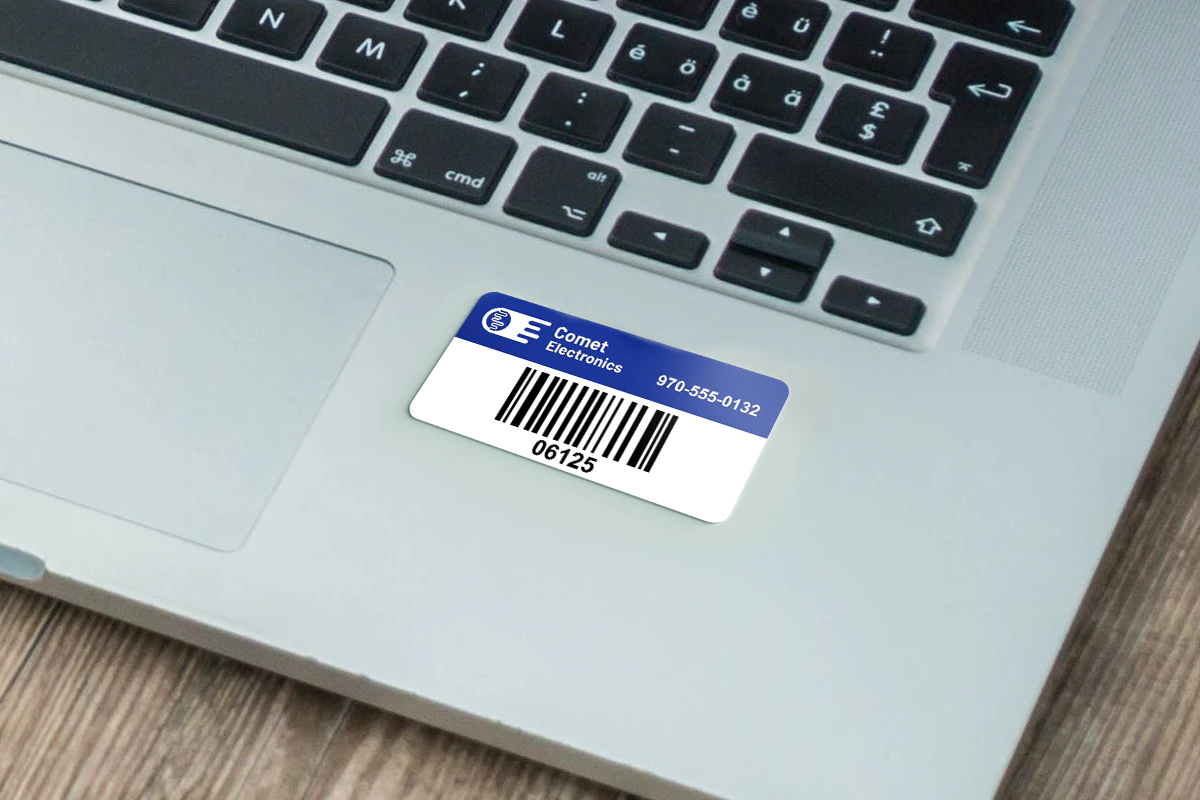
Pre-numbered or sequential barcode labels make audits and counts faster. If you’re working with serialized inventory, consecutive barcode tags help you track each item through its full lifecycle.
Apply Safety Labels Where They Matter Most
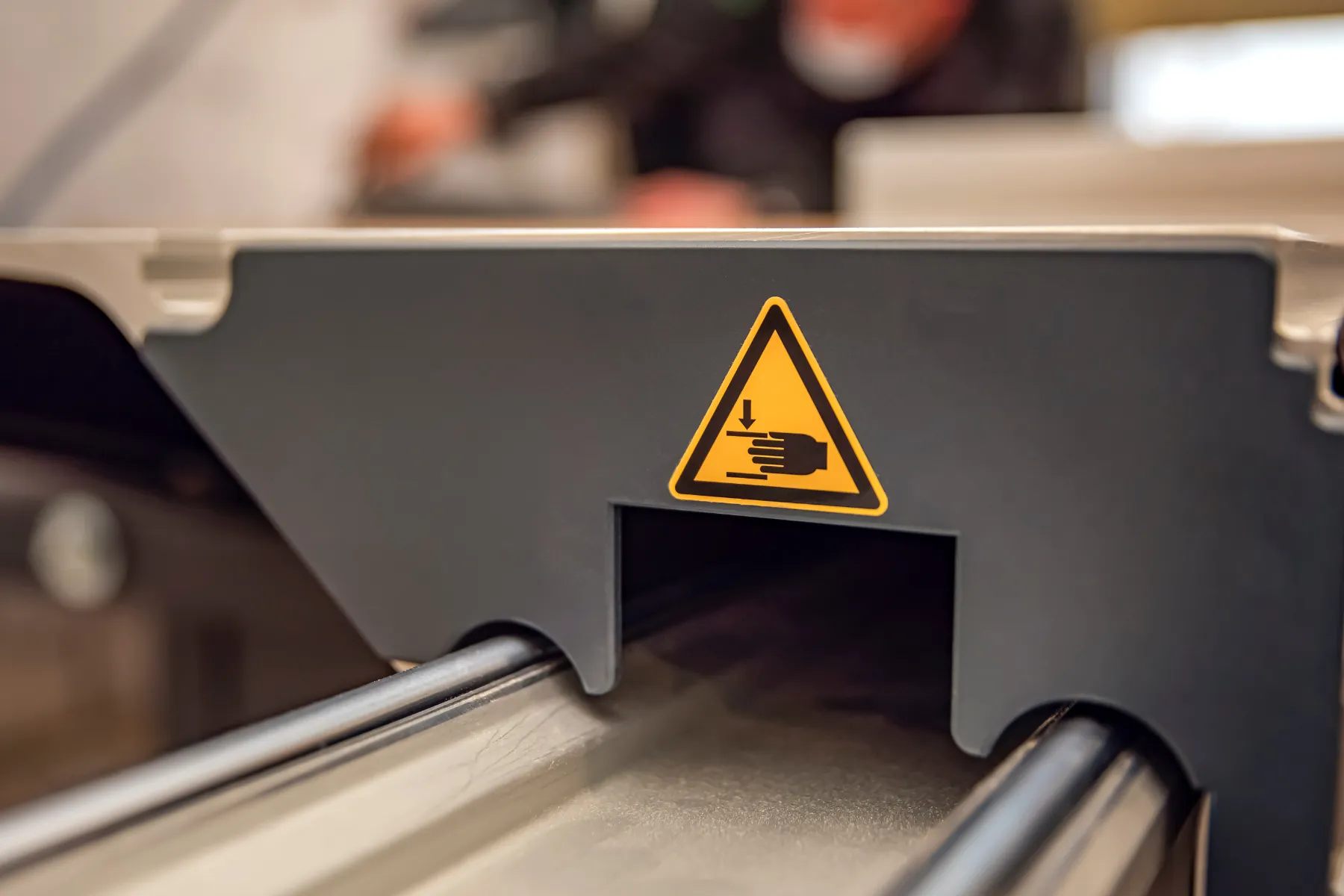
Safety labels aren’t just about compliance, they also protect how space is used. Use high-visibility labels to:
- Mark pedestrian walkways and forklift zones
- Flag max stacking heights
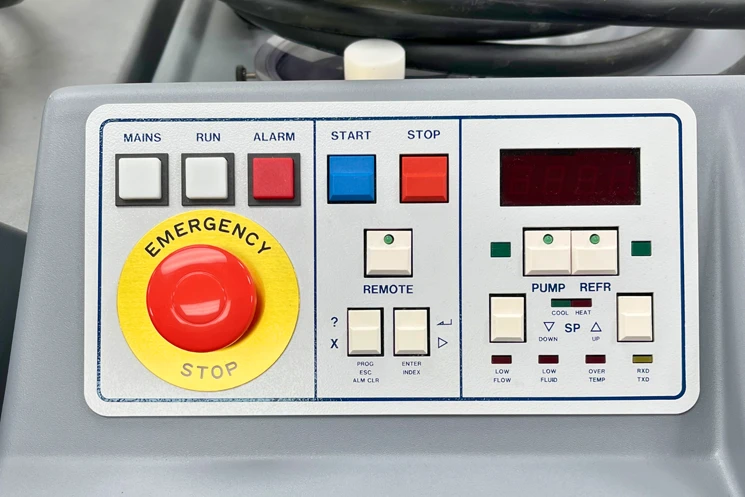
- Identify emergency gear or spill kits
- Show where PPE is required
When these zones are clearly marked, you avoid clutter, misplaced gear, and the slow spread of storage into safety areas.
Optimize Shelf and Rack Labeling
Racks and shelves should speak for themselves. Labels need to be easy to read from a distance and tough enough to hold up to daily wear. Good shelf labeling includes:
- Large, clean fonts with high contrast
- Arrows or symbols to show direction
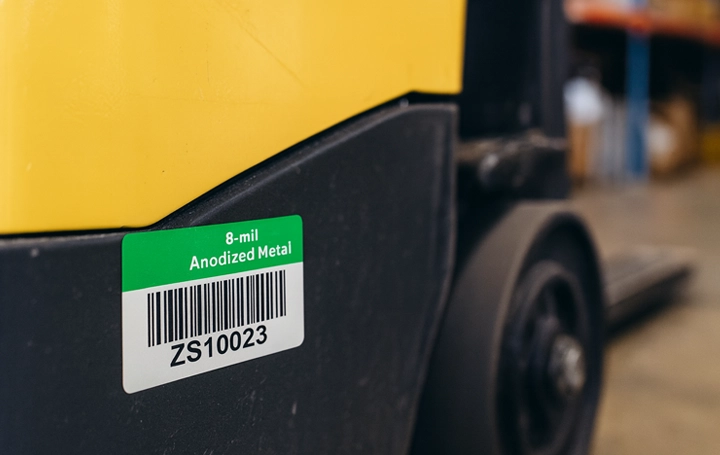
- Scannable barcodes for every bin
Try to keep label positions consistent so your team isn’t scanning at odd angles. Repositionable or magnetic holders make it easier to relabel as needs change, no scraping off old adhesive.
Schedule Seasonal Label Audits
A mid-year check can reveal a lot: faded labels, inconsistent naming, or shelves that haven’t matched the inventory map in months. Build a quick audit list to spot:
- Missing or peeling labels
- Duplicate or outdated codes
- Poor visibility due to dirt, glare, or fading
- Formats that aren’t being followed
Warehouse Tip from the Floor:
One ops lead flagged an issue in their fast-pick zone, labels were wearing down fast from daily wipe-downs. Switching to laminated polyester cut relabeling time by 90% and opened up two shelving bays used for overflow.
Labeling Mistakes That Cost You Space
Even with a plan in place, the wrong labels—or bad placement—can waste more space than they save. Watch out for these common issues:
- Using low-adhesive paper labels in high-moisture or cold areas
- Over-labeling shelves or bins with inconsistent terms
- Hanging onto outdated location codes or color systems
- Forgetting that some workers might need bilingual or symbol-based labels
Avoiding these mistakes helps free up real square footage and keeps inventory flowing the way it should.
Use Labels to Support Lean Warehousing
If you’re working toward a leaner layout, labeling is a big help. It supports 5S and just-in-time systems by giving everything a place—and keeping it there.
Here’s how labeling fits into lean practices:
- Sort: Label what stays and what goes
- Set in Order: Tag every shelf, bin, and cart location
- Shine: Use labels to flag areas ready for inspection or cleaning
- Standardize: Keep labeling formats consistent across zones
- Sustain: Choose materials that hold up so the system sticks
Helpful Tools to Keep It Moving
Once you’ve got a labeling plan, keeping it in place is mostly about having the right tools on hand:
- Label printers for on-demand jobs
- Applicators for faster labeling
- Pre-printed barcode sheets to speed up changes
- Label software that works with your own codes
If you’re building out a label-based inventory system, this breakdown on how to implement a barcode system in your warehouse covers key steps, from setup to daily use.
Keep Your Warehouse Running Smarter
A clean, well-labeled warehouse isn’t just easier on the eyes—it saves time, cuts mistakes, and keeps teams moving. The small step of labeling well can unlock space you didn’t even know you had.If your labels need to survive scuffs, spills, or heat, here’s a look at durable warehouse barcode labels that are built for real-world use.
Warehouse Space Maintenance FAQs
What is the most effective way to label warehouse racks?
Use high-contrast, scannable labels placed at consistent eye-level positions. Include bin or slot numbers, barcodes, and directional arrows to reduce picking errors.
How do I keep inventory labels from peeling in hot or humid warehouses?
Use weatherproof or industrial-grade self-adhesive labels rated for high-heat and moisture. Polyester or vinyl materials typically perform best in tough environments.
How often should I update warehouse labels?
Audit labels quarterly or seasonally. Replace any damaged, faded, or outdated labels. Update codes when reconfiguring shelves or changing inventory systems.
What are good warehouse label materials for long-term use?
Durable options include laminated polyester, vinyl, or polypropylene. These resist chemicals, abrasion, and temperature swings.
Can labeling help reduce warehouse clutter?
Yes. When items and zones are clearly labeled, staff are more likely to return things to the right place. It also prevents accidental overstocking and frees up space.
How do barcode labels improve warehouse efficiency?
They speed up inventory tracking, picking, and audits. Scanning reduces errors and helps maintain accurate stock levels in real time.
Is color-coding labels useful in a warehouse?
Absolutely. Color-coding by zone, category, or urgency makes scanning and sorting faster, especially for cross-trained or temporary workers.